01 Summary
This application note demonstrates a highly reproducible and predictable approach to scale manufacturing of adipocytes in suspension using a proprietary, modular scale-out bioreactor system. By combining a gentle, low-shear rocking motion with an invariant 2 L vessel geometry across a 5-batch production campaign, the system establishes a uniform fluidic environment that enables anchorage-dependent preadipocytes to naturally self-assemble into 3D aggregates. This approach eliminates the need for solid microcarriers or complex hollow-fiber architectures, preserving critical hydrodynamic and mass transfer profiles while completely bypassing traditional volumetric scale-up hurdles. Evaluation across multiple independent runs confirms exceptional consistency in cellular behaviour, metabolic parameters, aggregation profiles, and final end-product composition and safety.
Key results
- Culture performance: high reproducibility in lipid accumulation in adipogenic cells across all independent culture units.
- Bioprocess parameter stability: consistent tracking of key metabolic profiles (such as glucose and glutamine consumption, lactate and NH4 production) alongside passive gas exchange (pO2 and pCO2) across independent runs.
- Physical aggregation profiles: uniform cellular aggregation profiles maintained across all modules, across 5 batches.
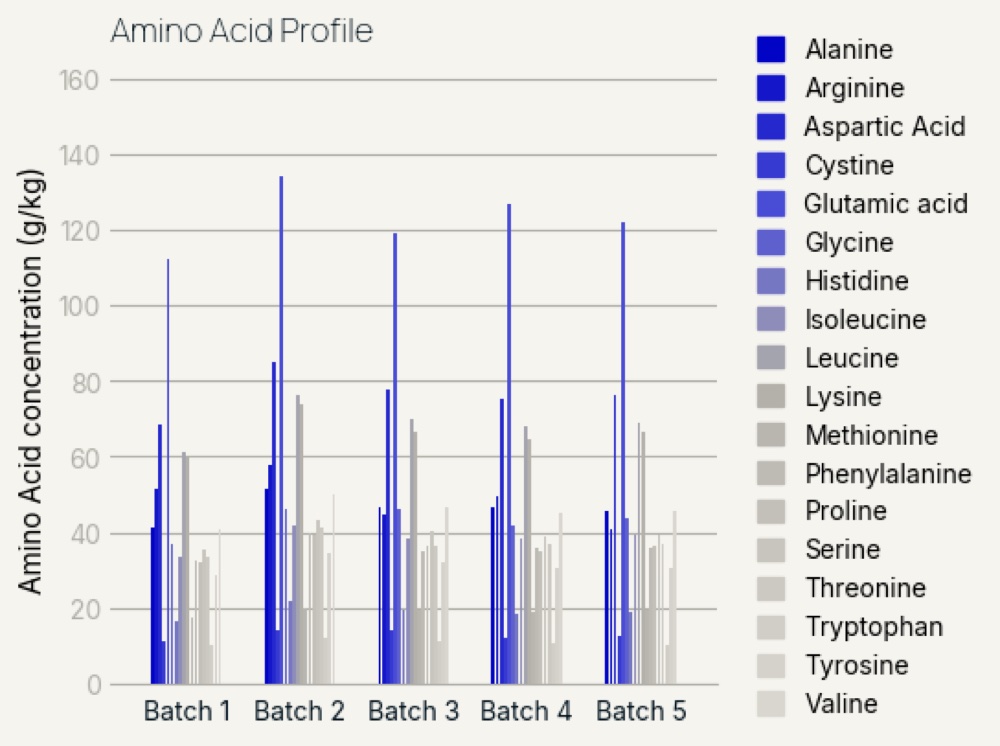
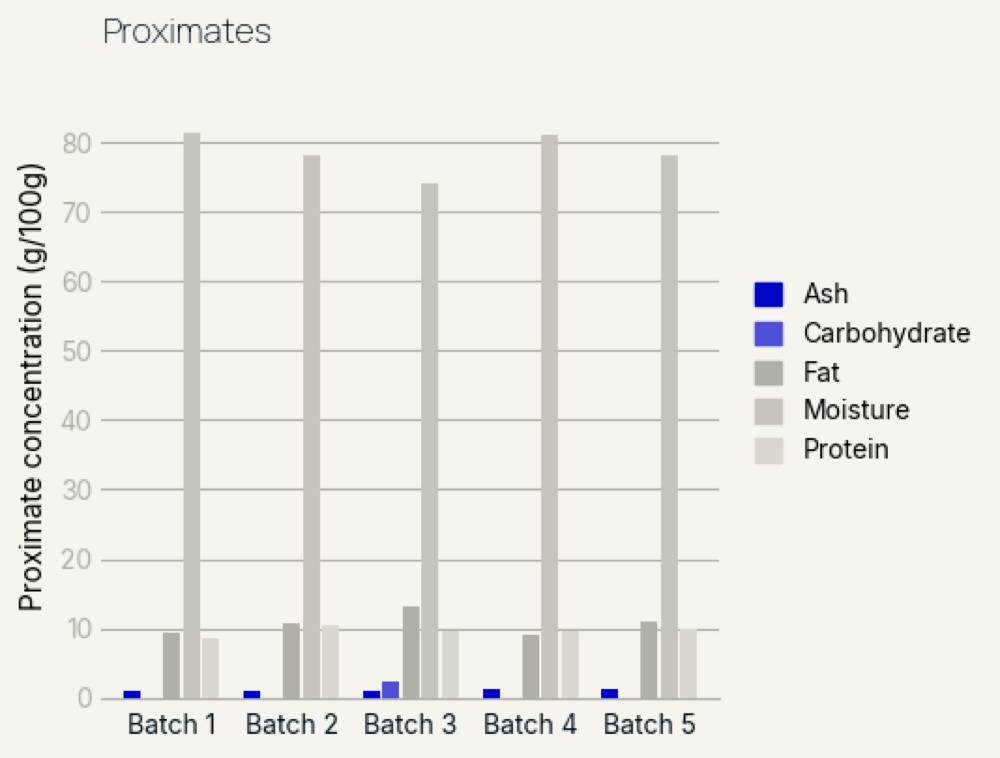
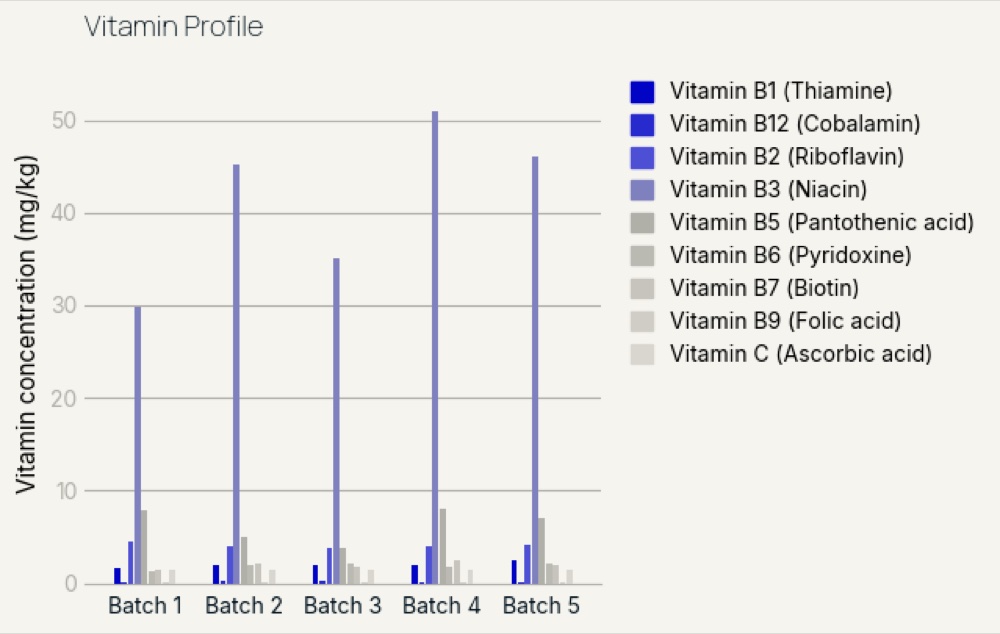
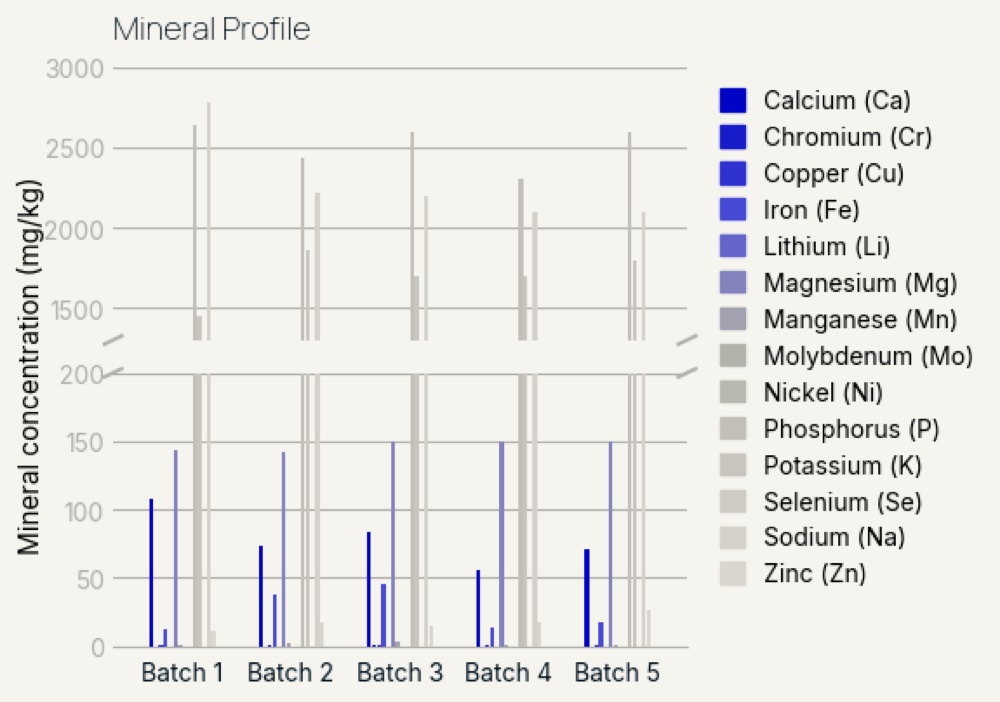
- End-product compositional consistency: consistency in the final product itself, verified by comprehensive profiling of amino acids, proximate compositions, essential vitamins, minerals, and compliance with heavy metal limits and microbial safety limits, across 5 batches.
02 Introduction & background
The manufacturing of mammalian cells holds immense commercial potential, but transitioning from development to market requires overcoming a significant bioprocess bottleneck: the physical and metabolic inconsistencies introduced when scaling up traditional bioreactor technologies. Conventionally, expanding cell culture capacity involves moving from small benchtop units to larger stirred-tank bioreactors. This shift fundamentally alters fluid dynamics, shear stress, and mass transfer rates (Post, M.J., 2020). Consequently, companies frequently spend months or years re-optimising culture parameters at each volumetric scale, leading to significant batch-to-batch variation and delayed commercial timelines (Gu, H. et al., 2025).
Adipogenic cell lines present distinct bioprocess challenges due to their strict anchorage dependence and mechanosensitive signalling pathways. Pre-adipocytes require integrin-mediated attachment to an extracellular matrix (ECM) to activate downstream cascades that dictate cell survival, cytoskeletal remodelling, and master transcriptional regulators of adipogenesis (e.g. PPARγ and C/EBPα). In conventional stirred-tank systems, local fluid hydrodynamics and excessive shear stress disrupt these delicate cell-ECM interactions, suppressing adipogenic maturation or inducing shear-mediated apoptosis (Song et al., 2022). To circumvent these shear sensitivities, standard biomanufacturing strategies rely on microcarrier matrices in stirred vessels or static hollow-fiber bioreactors to provide artificial attachment scaffolding (Sugii et al., 2022). However, both approaches present operational trade-offs: microcarrier systems introduce high raw material costs and necessitate arduous separation steps during downstream processing, whereas hollow-fiber architectures suffer from mass transfer gradients across dense fiber bundles, making uniform biomass harvesting and linear volumetric scaling difficult. Recent breakthroughs demonstrate that cultivating adipose-derived cells as 3D self-assembled spheroids significantly enhances intracellular lipid droplet formation and boosts triglyceride accumulation by over 30% compared to traditional 2D culture (Xuan et al., 2025). Yet, generating and maintaining uniform 3D aggregates at scale without high-shear impellers or fiber-bundle diffusion limits disrupting their structure remains a key bioprocess hurdle.
To bypass these challenges and leverage the benefits of 3D aggregate culture, we developed Lattice, a modular bioreactor platform. The system employs a gentle, low-shear rocking motion to create an optimal fluidic environment where preadipocytes can self-assemble into cohesive multicellular aggregates. By eliminating mechanical impellers and steep velocity gradients, Lattice protects cell-generated extracellular matrix (ECM) networks, ensuring efficient mass transfer and allowing anchorage-dependent cells to proliferate and accumulate lipids directly in true suspension culture. Rather than increasing individual vessel volume vertically, Lattice expands capacity horizontally using a modular array of standardised 2 L culture units. Commercial-scale volumes are achieved by multiplying the number of identical 2 L units such that, whether operating a single production module or a high-volume commercial array, critical mass transfer and low-shear hydrodynamic profiles are strictly preserved. The result is a highly predictable, reproducible path to commercial-scale manufacturing of cellular agriculture products that preserves final product quality while dramatically reducing engineering and development timelines.
This application note evaluates the performance and consistency of Lattice during manufacturing campaigns of adipocytes conducted across 5 independent production batches. Each production batch utilised an array containing between 23–36 individual 2 L units, totalling 46–72 L of culture operating simultaneously within our modular bioreactor system.
03 Objective
The objective of this study was to evaluate the performance, operational consistency, and product reproducibility of Lattice, our modular bioreactor system, during an adipocyte batch differentiation campaign across 5 independent production runs. Specifically, this application note aims to validate that expanding capacity via a modular array of standardised 2 L culture units preserves critical mass transfer and hydrodynamic profiles, thereby eliminating traditional scale-up re-optimisation. Performance is assessed by quantifying culture reproducibility (lipid accumulation and aggregation profiles) and bioprocess parameter stability (metabolic tracking of glutamine, glucose, lactate, ammonia, pH and passive gas exchange) across all 5 batches. Final end-product compositional consistency — including amino acid, proximate, vitamin, mineral, heavy metal profiles and microbial safety — is verified across 5 batches. This study is strictly evaluated within the context of the modular Lattice Production Module; traditional vertical scale-up comparison vessels, upstream cell line engineering, and downstream purification processes are outside the scope of this note.
04 Materials & Methods
Bioreactor system
Cultivation was conducted in our proprietary modular bioreactor system, Lattice. Each Lattice vessel consists of a flexible, gas-permeable polymer membrane operating at a 2 L working volume. Five individual Lattice vessels are mounted in a common frame, or Lattice Production Module, that provides automated agitation via rocking/rotational motion, eliminating cell contact with internal mixing components common in traditional stir-tank reactor systems. Fluid transfers were managed through aseptic ports linked to a common fluid handling system. Prior to cell cultivation, the reusable vessels were sterilised and integrity-tested.
Biological system and process parameters
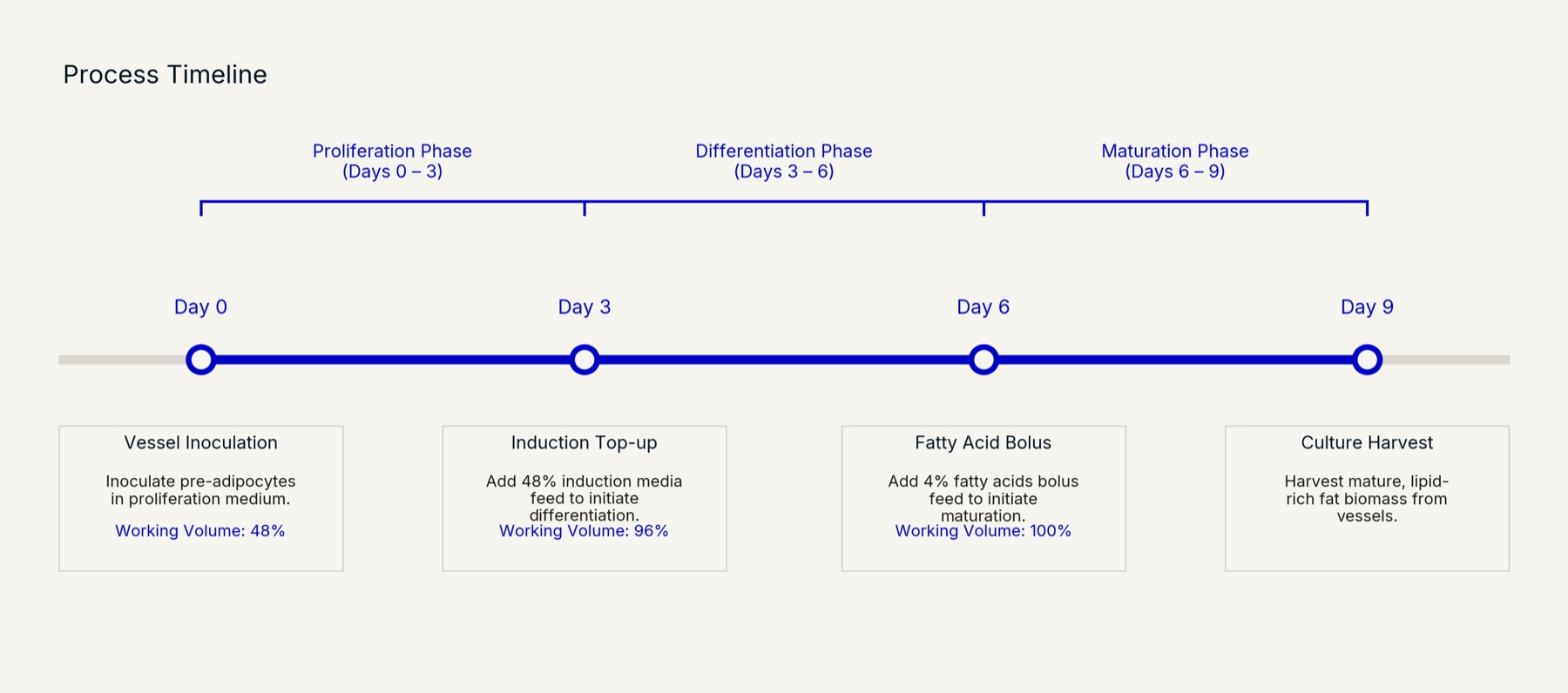
Porcine pre-adipocytes (Hoxton Farms’ proprietary cell line HFP02.2) were inoculated into vessels at 0.2 × 10⁶ cells/mL in proliferation medium for a 3-day expansion phase, followed by a 6 ± 1 day adipogenic differentiation phase (Figure 1). Environmental parameters were maintained at 39°C, a pH of 6.5–8.0, and 0–5% CO₂ with passive O₂/CO₂ diffusion via a gas-permeable membrane. Mechanical agitation was tailored by phase: proliferation operated at 7.5 deg/s² acceleration, a 5° angle, and a 1 s pause duration, whereas differentiation was maintained at 5 deg/s² acceleration, a 5° angle, and a 3 s pause duration.
In a fed-batch strategy, vessels were inoculated at a 48% v/v working volume in proliferation medium, then diluted on Day 3 with a top-up feed of adipogenic differentiation medium (48% v/v), followed on Day 6 by a bolus feed of concentrated fatty acids (4% v/v) to reach a final working volume of 2 L. The experimental campaign consisted of 5 independent production runs at a 46–72 L scale, where culture health and performance were monitored via offline analysis of samples drawn from representative vessel ports at defined timepoints. Offline tracking of glucose, glutamine, lactate, ammonium (NH₄⁺), pH, pCO₂, and pO₂ was performed using a BioProfile FLEX2 analyser. Fat accumulation in the cultured adipocytes was quantified using gravimetric lipid extraction with organic solvents for precise mass measurement, while differentiation quality and tissue maturation were assessed via qPCR analysis of the adipogenic marker ADIPOQ in harvested cell pellets, calculated as fold-change relative to pre-inoculation controls in Lattice. Finally, pre-harvest sterility was confirmed by microscopic inspection and validated via microbial analysis on end-product pellets, with compositional profiles (amino acids, proximates, vitamins, minerals, and heavy metals) evaluated across 5 representative batches.
05 Results
Stable environmental baseline across every batch
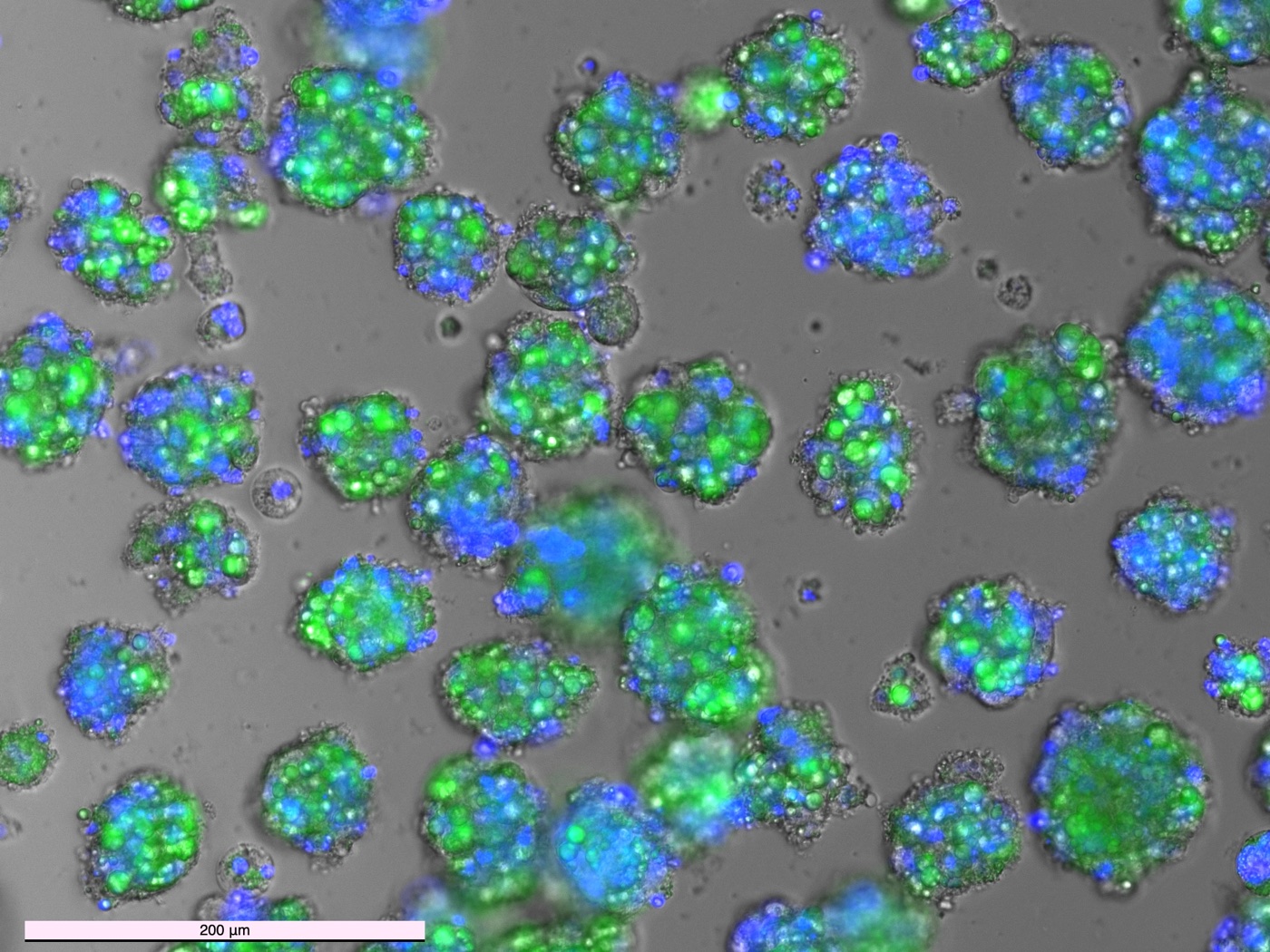
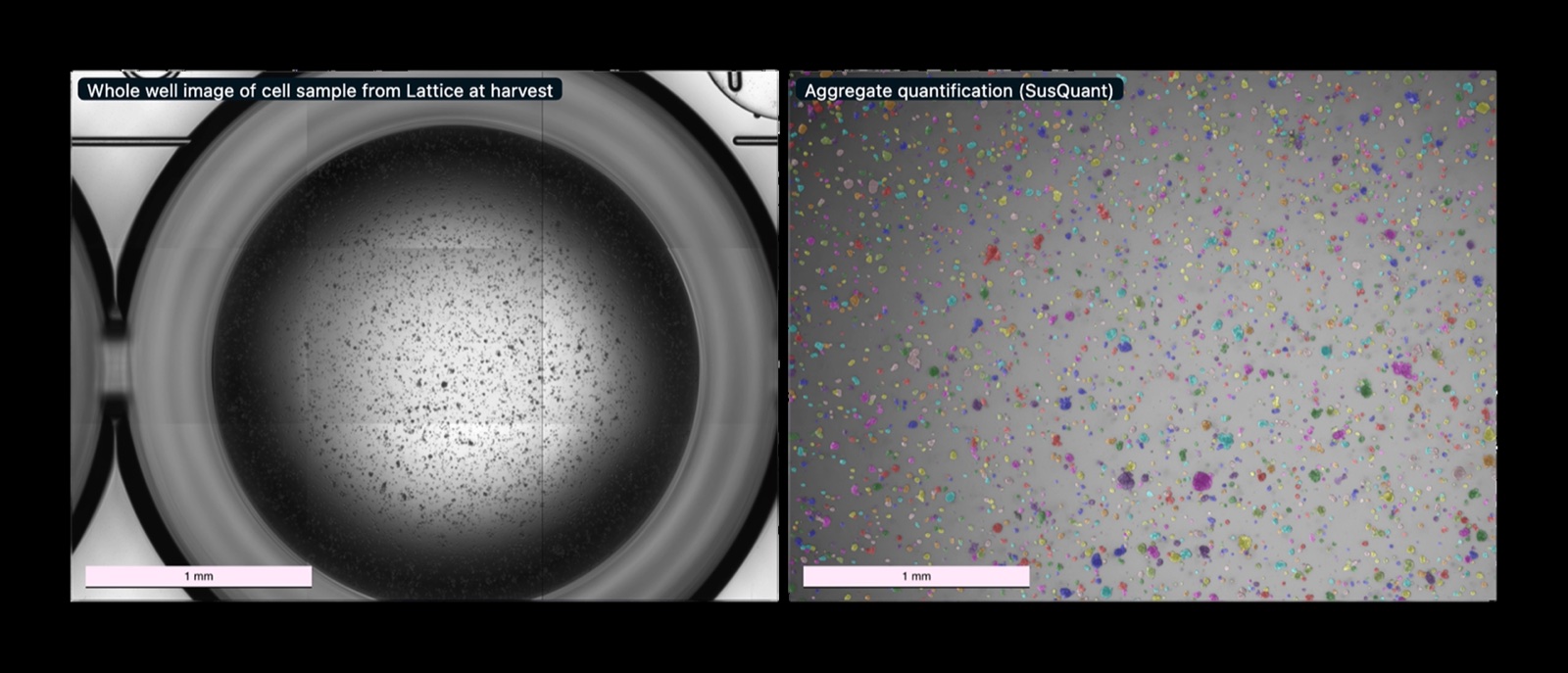
Uniform, low-shear aggregation controls morphology
Reproducible differentiation efficiency and lipid yield
Near-identical end-product composition across five batches
06 Discussion
The experimental results of this 5-batch production campaign demonstrate that Lattice, our proprietary modular bioreactor system, successfully maintains a highly reproducible culture microenvironment, effectively eliminating the scale-dependent performance variations, process inefficiencies, and biological divergence typical of conventional vertical scale-up. In traditional bioprocessing, expanding cell culture capacity by transitioning from benchtop vessels to larger stirred-tank bioreactors fundamentally alters the physics of the system. As vessel volume increases, fluid dynamics, impeller tip speeds, shear stress gradients, and mass transfer rates shift non-linearly, frequently forcing companies to spend months or years re-optimising culture parameters at each new scale. By expanding capacity horizontally using an array of standardised 2 L units rather than increasing individual vessel volume, critical mass transfer and hydrodynamic profiles were completely preserved across a pilot-scale volume of 46–72 L, proving that the biological environment of a single module is identical to that of a high-volume commercial array.
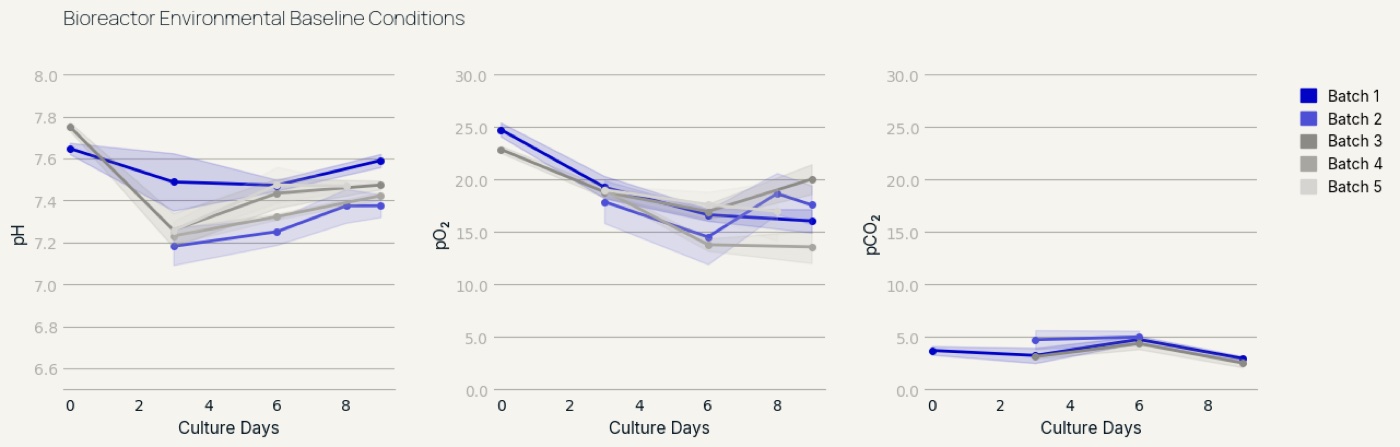
Environmental baseline parameters and metabolic profiles exhibited consistency across all independent runs, highlighting the predictability of passive gas exchange through the flexible, gas-permeable membrane. In standard stirred-tank reactors, maintaining adequate dissolved oxygen to meet metabolic demands requires aggressive mechanical sparging and high agitation rates, which often subjects shear-sensitive cells to destructive mechanical forces. The ultra scale-out system entirely bypasses this engineering challenge by leveraging passive diffusion across the high surface-area-to-volume ratio of the gas membrane. The tight regulation of pO2 and pCO2 profiles achieved through this mechanism directly correlated with stable culture pH trends (Figure 2), which remained consistently within the optimal 6.5–8.0 range without requiring aggressive chemical base additions that can induce localised pH shocks.
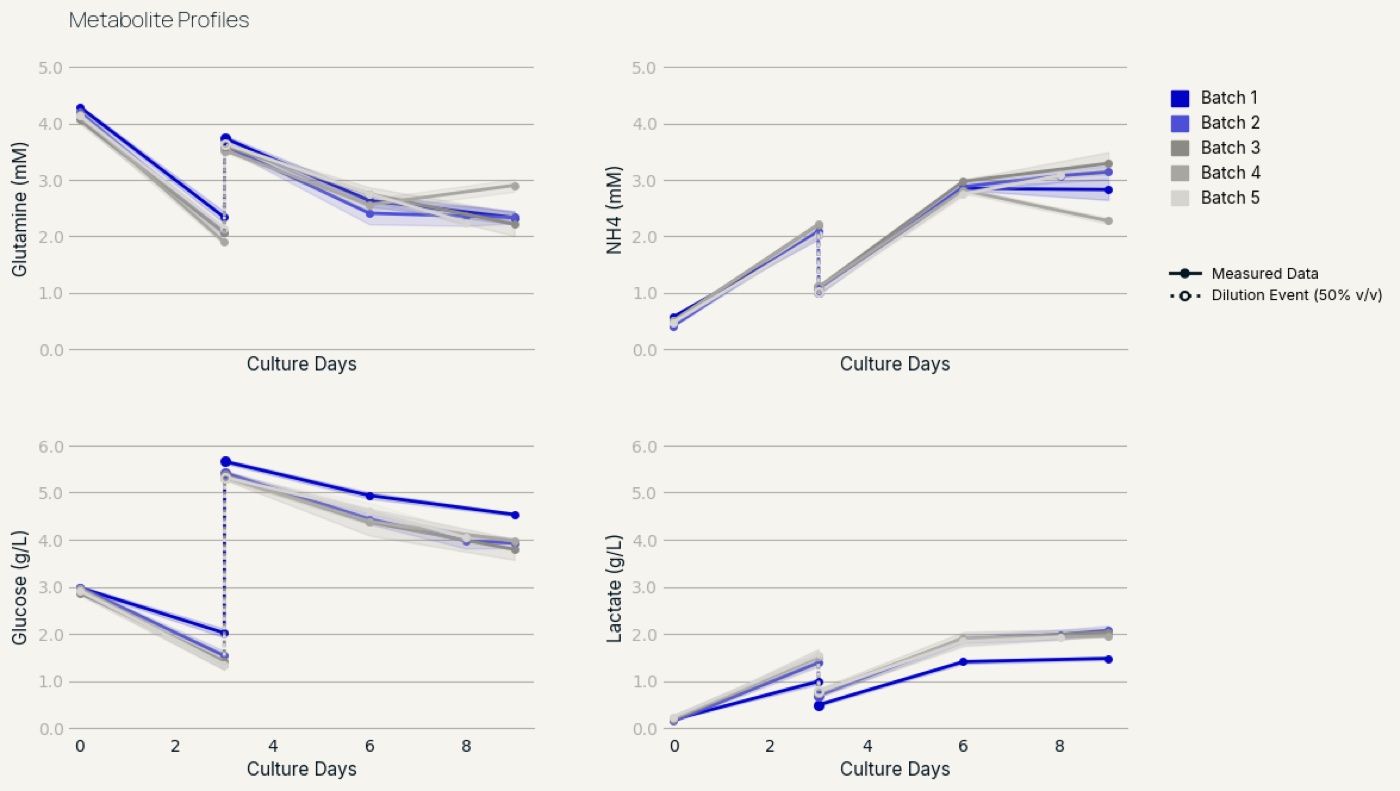
This stable environmental baseline coupled precisely with highly uniform nutrient consumption and waste production kinetics across all 5 independent batches. Offline analysis via the BioProfile FLEX2 analyser revealed highly synchronised metabolic behaviour between the cultures (Figure 3). The rapid, parallel utilisation of glucose and glutamine up to Day 3 reflects predictable, logarithmic cell proliferation during the initial 3-day expansion phase. The subsequent pivot in nutrient concentrations highlights the successful execution of the fed-batch top-up strategy, where the progressive introduction of fresh differentiation medium expanded the working volume to its 2 L maximum. This targeted feeding regime successfully managed metabolic waste accumulation, preventing nutrient depletion while ensuring that ammonium (NH4) and lactate production profiles tracked predictably and remained safely below inhibitory thresholds.
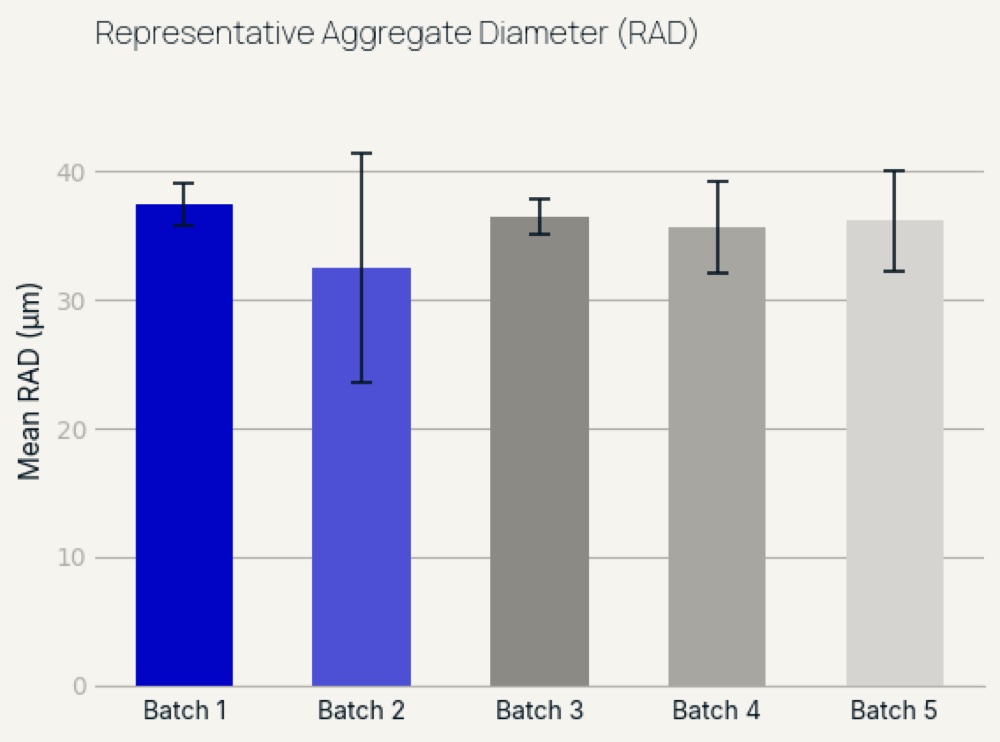
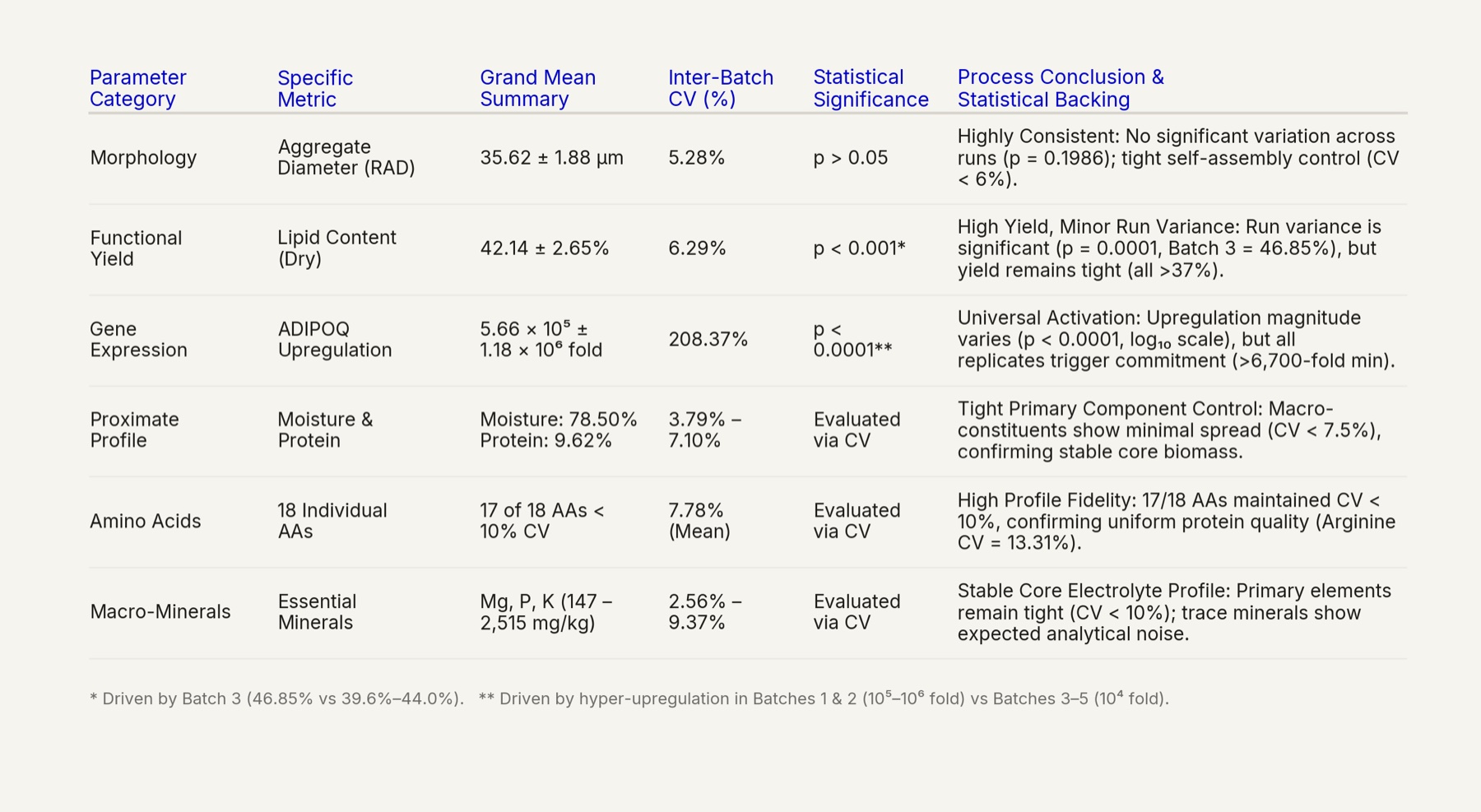
The low-shear fluid dynamics provided by the system’s automated rocking motion are critical for establishing the physical conditions required for porcine pre-adipocyte (HFP02.2) differentiation. Adipogenic cultures are highly sensitive to physical forces, as the cells must undergo morphological transitions to accommodate intracellular lipid droplets. This physical aggregation is a strict biological prerequisite for adipogenesis; it establishes the spatial architecture and extracellular matrix signalling pathways needed to upregulate key adipogenic transcription factors. The Mean Representative Aggregate Diameter (RAD) at harvest tightly clustered between 32 and 37 µm (Figure 5) across all 5 batches (mean: 35.62 ± 1.88 µm; Figure 4), demonstrating high morphological consistency with no statistically significant variance across independent runs (CV = 5.28%, p > 0.05; Table 1). Image quantification verified that this controlled aggregation occurred uniformly throughout the vessels, preventing the formation of overly large clumps that suffer from mass-transfer-limited necrotic cores, while simultaneously avoiding the high shear that causes premature cell lysis (Figure 5).
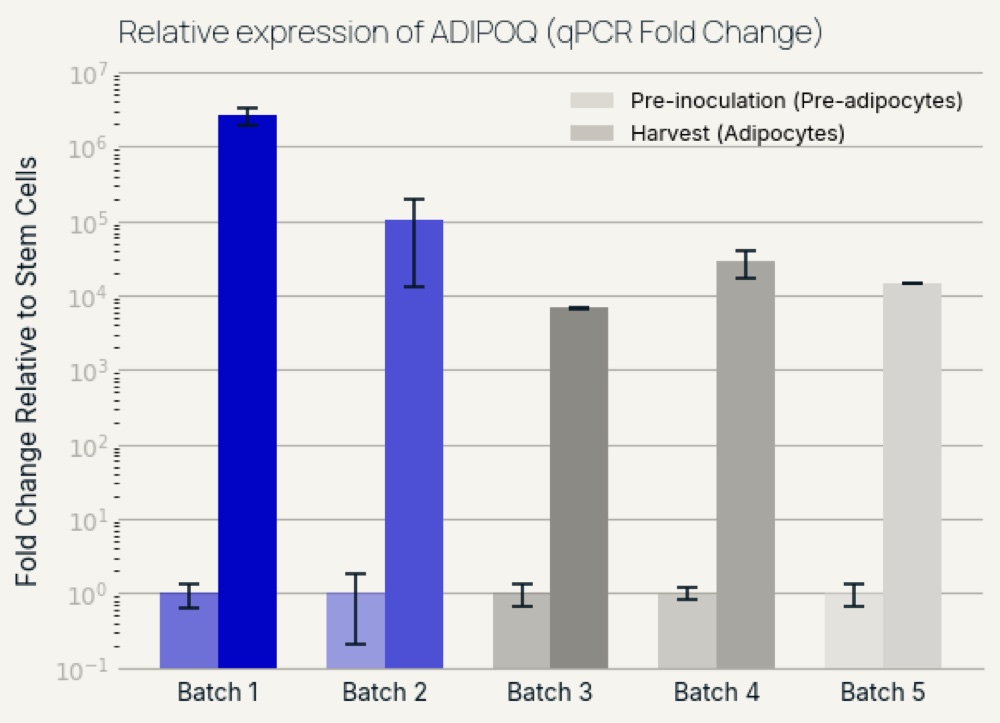
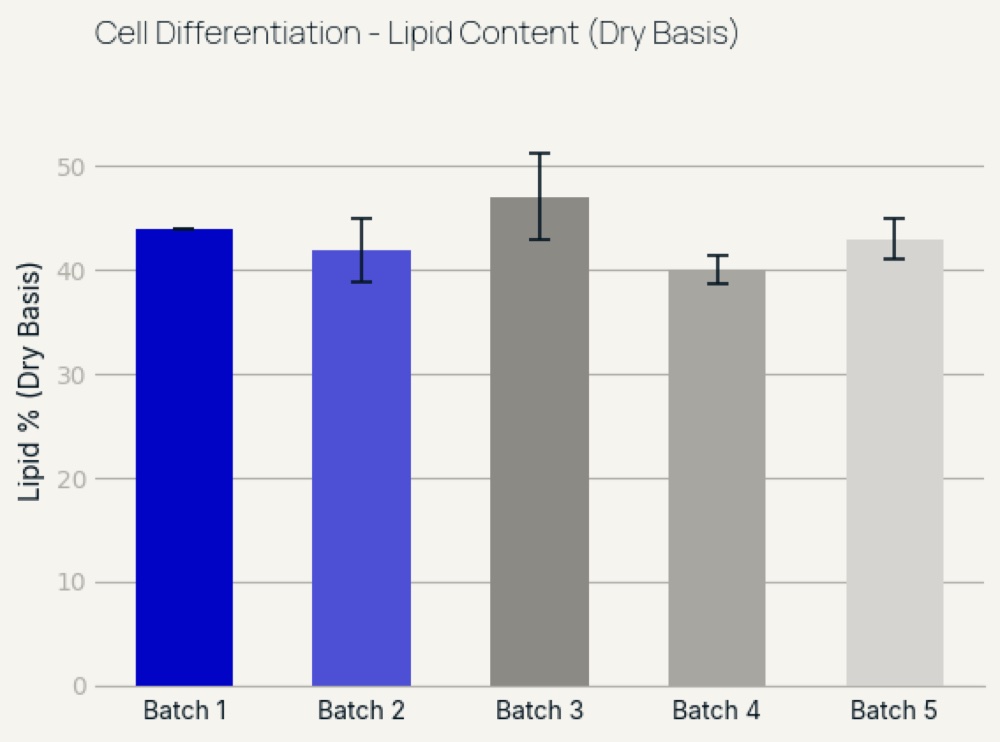
Crucially, this uniform morphological progression translated into highly reproducible differentiation efficiency. Expression of the adipogenic master regulator (ADIPOQ) confirmed robust molecular maturation, showing successful gene upregulation across all groups (Figure 6a), driven by a dramatic fold-change increase in the harvested cell pellets relative to pre-inoculation pre-adipocytes (mean: 5.66 × 10⁵-fold; p < 0.0001 on log₁₀ scale; Table 1), with every replicate consistently achieving >6,700-fold activation. Gravimetric lipid extraction confirmed that final lipid content across the 5 batches of harvested product was tightly clustered between 40% and 47% (dry basis) (mean: 42.14 ± 2.65%; Figure 6b), reflecting tight functional yield control (CV = 6.29%, p < 0.001; Table 1) that directly complemented the elevated ADIPOQ transcript levels.
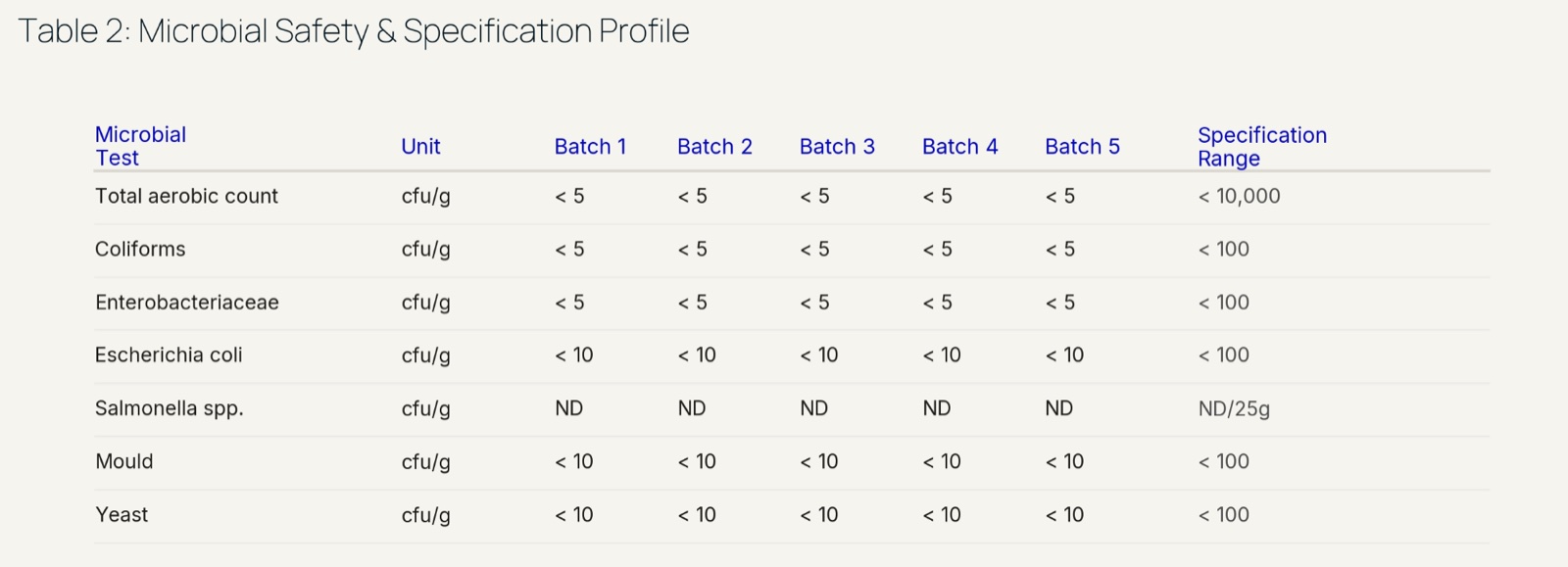
From a commercial and regulatory standpoint, the exceptional batch-to-batch uniformity of the final harvested fat aligns with the strict consistency hurdles required for commercialisation of manufactured cell products. Comprehensive profiling of amino acids (18 amino acids evaluated; average CV = 7.78% across runs), proximate compositions (dominated by uniform moisture at 78.50% [CV = 3.79%], fat, and crude protein at 9.62% [CV = 7.10%]), essential vitamins, and minerals (macro-minerals Mg, P, and K maintaining CVs < 10%) demonstrated near-identical nutritional values across all 5 representative batches (Table 1), alongside strict compliance with heavy metal and microbial safety limits (Figures 8–11, Table 2). In a traditional manufacturing framework, a single failed or off-specification batch due to scale-up inconsistencies can cause significant delays and financial losses. By ensuring that each 2 L modular unit functions as its own representative scale, the modular platform completely eliminates traditional multi-year scale-up re-optimising protocols, providing a highly reliable, predictable, and direct path to commercial-scale manufacturing of stem cells and differentiated adipocytes relevant for drug discovery, disease modelling and target validation.
07 Conclusion
The practical implications for stem cell manufacturing are significant. By demonstrating that biological, metabolic, and compositional profiles are identical when multiplying identical 2 L modular units, the Lattice platform removes the multi-year reoptimisation cycles that typically stall traditional scale-up campaigns and de-risks the biological complexity of scaling up shear-sensitive stem cells and differentiated phenotypes. This horizontal scalability guarantees that final product quality, nutritional composition, and regulatory safety profiles remain locked from benchtop development straight through to commercial volumes. Consequently, the Lattice system offers a highly reliable, de-risked path to commercial manufacturing that dramatically compresses development timelines while ensuring absolute batch-to-batch uniformity.
08 References
- Post, M.J., Levenberg, S., Kaplan, D.L. et al. “Scientific, sustainability and regulatory challenges of cultured meat.” Nature Food 1, 403–415 (2020). doi:10.1038/s43016-020-0112-z
- Gu, H. et al. (2025). “Scaling cultured meat: Challenges and solutions for affordable mass production.” Comprehensive Reviews in Food Science and Food Safety. doi:10.1111/1541-4337.70221
- Song, W., Liu, P., Li, H., & Ding, S. (2022). “Large-Scale Expansion of Porcine Adipose-Derived Stem Cells Based on Microcarriers System for Cultured Meat Production.” Foods, 11(21), 3364. doi:10.3390/foods11213364
- Sugii, S. et al. (2023). “Alternative fat: redefining adipocytes for biomanufacturing cultivated meat.” Trends in Biotechnology, 41, 686–700. doi:10.1016/j.tibtech.2022.08.005